Eastern Ontario winters push residential roofing systems to their limits. Ice storms, heavy snowfall, sustained sub-zero temperatures, and relentless freeze-thaw cycles create conditions that expose every minor vulnerability in your roof. A thorough autumn maintenance routine dramatically reduces the risk of winter leaks, ice dam formation, and emergency repairs. This checklist walks you through every step.
Exterior Roof Inspection
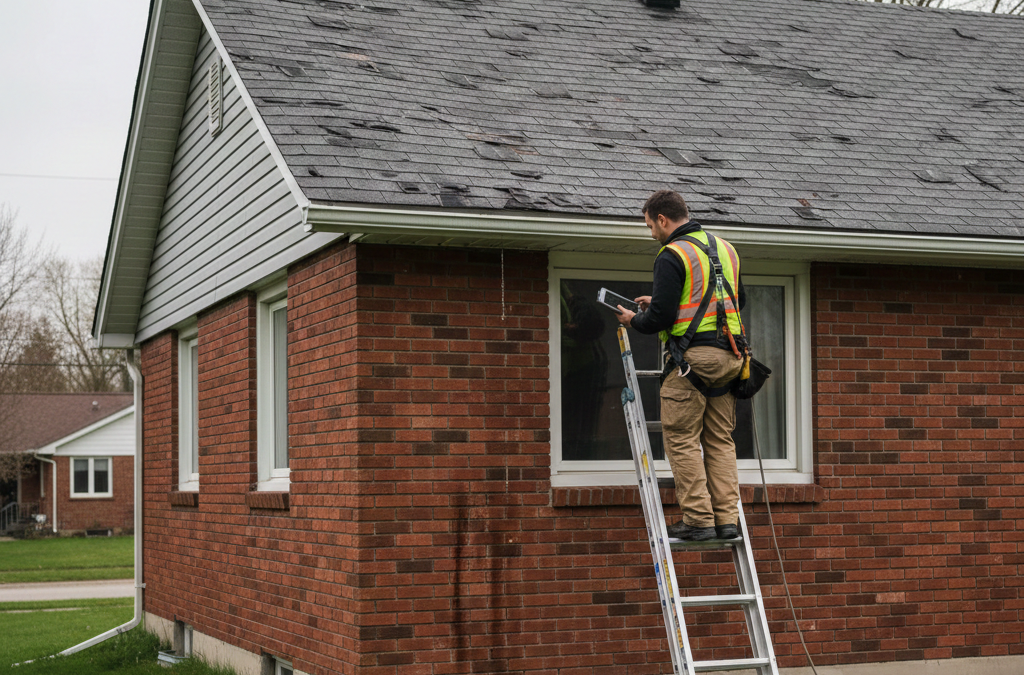
Before the first frost arrives, conduct a careful visual inspection of your roof’s exterior. Use binoculars from the ground if you’re not comfortable or equipped for roof access—many problems are visible without climbing up.
Shingles and Metal Panels
For shingle roofs, look for curling, cracking, missing granulation, or tabs that have lifted. Damaged shingles that survive summer storms often fail under winter ice and wind. Even minor damage creates entry points for water during freeze-thaw cycles.
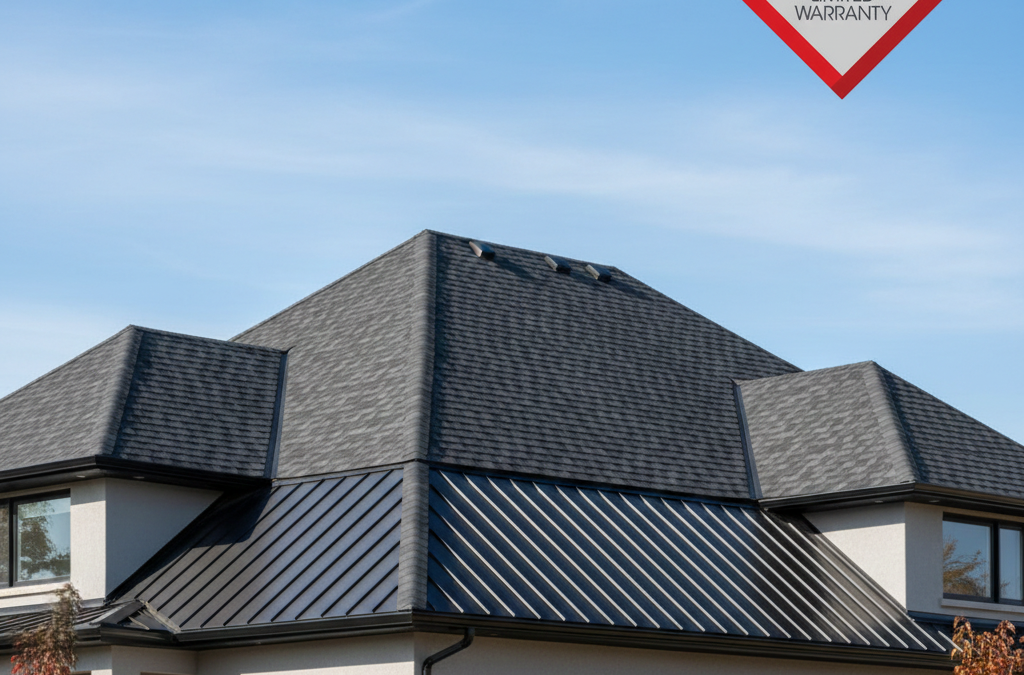
For metal roofing, inspect for loose or backed-out fasteners, separated seams, and any panels that appear lifted or shifted. Check for rust spots, particularly around cut edges and penetration points. Address corrosion early with appropriate treatment and roof coatings to prevent winter moisture from accelerating deterioration.
Flashing and Sealants
Inspect all flashing around chimneys, vents, skylights, dormers, and where the roof meets walls. Flashing failures rank among the leading causes of winter roof leaks in Eastern Ontario. Look for lifted edges, corroded metal, cracked sealant, and gaps between flashing and the surfaces it protects.
Pay special attention to chimney flashing, which endures significant thermal movement stress as masonry and roofing materials expand and contract at different rates through winter temperature swings.
Valleys and Transitions
Roof valleys channel the highest volume of water during rain and snowmelt. Inspect these areas for accumulated debris, damaged underlayment visible at panel edges, and signs of wear on valley flashing. Valleys that show signs of stress before winter will almost certainly leak when spring melt arrives.
Gutter and Drainage System
Your gutter system plays a critical role in winter roof performance. Failures here contribute directly to ice dam formation and water damage.
Clean All Gutters and Downspouts
Remove leaves, branches, granule buildup, and all other debris from gutters. Flush downspouts with a hose to confirm they drain freely. Clogged gutters trap water at the roof edge, creating ideal conditions for ice dam formation.
Inspect for Damage and Alignment
Check gutters for sagging, separation at joints, and proper slope toward downspouts. Water pooling in gutters indicates alignment problems that become serious when pooled water freezes and adds weight to already stressed connections.
Ensure downspout extensions direct water at least two metres away from your foundation. Concentrated water near the foundation during spring melt causes basement flooding—a secondary consequence of poor roofing drainage.
Attic Inspection
Your attic’s condition directly influences how your roof handles winter conditions. Two factors dominate: ventilation and insulation.
Ventilation Assessment
Proper attic ventilation maintains a cold roof deck that prevents snow from melting unevenly and refreezing at the eaves as ice dams. Verify that soffit vents are clear and unobstructed—insulation displacement, paint overspray, and debris commonly block these critical airways.
Confirm that ridge vents or roof vents are functioning properly. Adequate airflow from soffit to ridge keeps the underside of the roof deck close to outdoor temperatures, which is the single most effective ice dam prevention strategy.
Insulation Check
Insufficient attic insulation allows warm indoor air to heat the roof deck from below. This heat melts snow on the upper roof, and the meltwater refreezes at the colder eaves, forming ice dams that force water beneath shingles and into your home.
Ontario’s building code specifies minimum R-60 insulation for attic spaces in our climate zone. If your insulation falls short of this standard, upgrading before winter provides both ice dam protection and significant energy savings.
Look for gaps, compressed areas, or sections where insulation has shifted away from the eaves. These weak spots create localized hot spots on the roof deck that initiate ice dam formation even when overall insulation levels seem adequate.
Tree and Debris Management
Overhanging trees present multiple risks to roofing systems during Eastern Ontario winters.
Trim branches that extend over your roof or come within two metres of the roof surface. Heavy ice accumulation on overhanging branches causes them to break and fall onto roofing materials, causing punctures, dents, and displacement of panels or shingles.
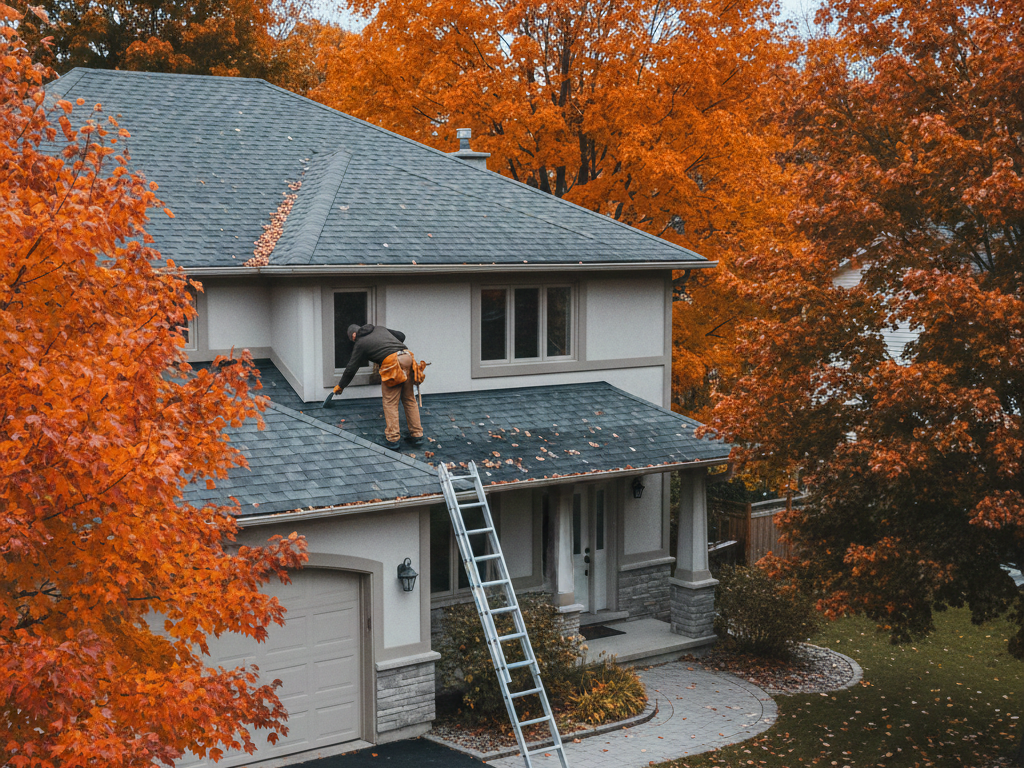
Remove all accumulated debris from the roof surface. Leaves, needles, and small branches trap moisture against roofing materials and accelerate deterioration. They also clog valleys and drainage paths that need to function during winter melt events.
Address Outstanding Repairs
Autumn is the time to address every known roofing issue, no matter how minor it appears. Problems that seem trivial in October become emergencies in January.
Schedule professional repairs for any damaged flashing, worn sealants, cracked or missing shingles, loose metal panels, or compromised penetration seals. Winter conditions prevent most repair work, so completing these fixes before sustained cold arrives protects your home through the entire season.
If your roof has been showing warning signs of its age—sagging, widespread granule loss, multiple leak history, or visible daylight through the roof deck—schedule a professional assessment to determine whether repairs or replacement represent the better investment before winter.
Snow and Ice Preparation
Prepare for snow management before the first storm arrives.
Consider Snow Guards
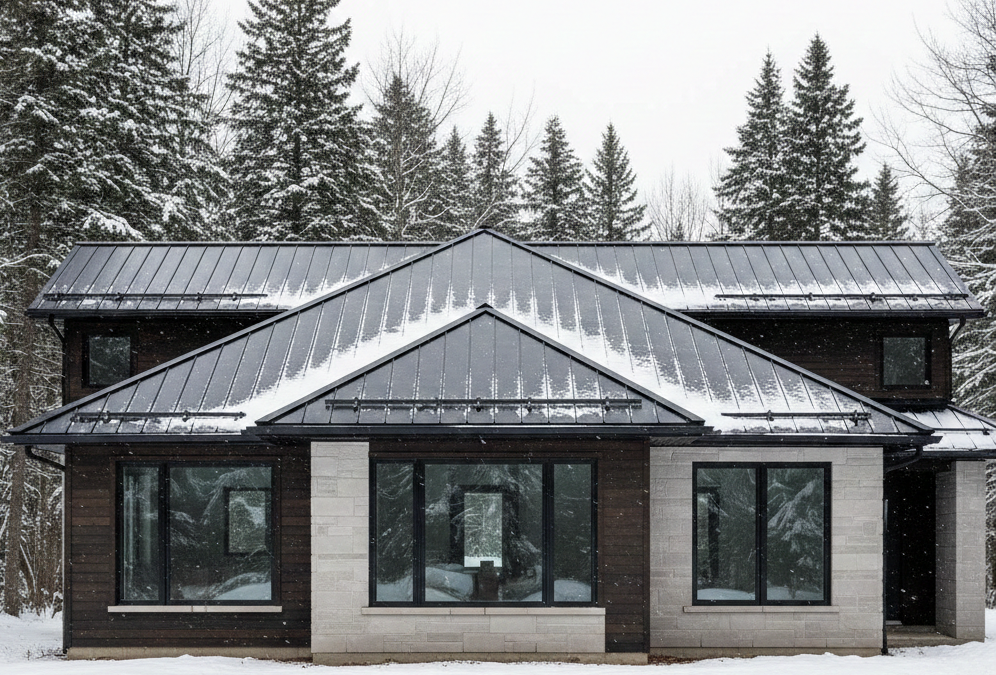
If you have a metal roof, verify that snow retention systems are intact and securely fastened. Snow guards prevent dangerous avalanches of accumulated snow from the smooth metal surface. Missing or loose guards should be replaced before snowfall begins.
Roof Rake Accessibility
Keep a roof rake accessible for removing snow accumulation from eaves and lower roof sections after heavy storms. Removing snow before it compacts and bonds to the roof surface prevents excessive loads and reduces ice dam potential.
Never use metal tools or sharp implements on your roof surface. Purpose-built roof rakes with plastic or rubber edges remove snow without damaging roofing materials.
Professional Inspection Recommendation
While homeowner inspections catch many visible problems, professional evaluations identify issues that require trained eyes and equipment to detect.
A qualified roofing contractor examines your roof from above, checks attic conditions, evaluates structural integrity, and assesses overall remaining lifespan. This inspection typically costs a fraction of an emergency winter repair and provides documentation valuable for insurance purposes.
Schedule a professional roof maintenance inspection in early autumn. Contractors’ schedules fill quickly as winter approaches, so booking early ensures availability and allows time to complete any recommended repairs before cold weather arrives.
Your Complete Pre-Winter Checklist Summary
- Inspect shingles, panels, and fasteners for damage or wear
- Check all flashing and sealants around penetrations and transitions
- Examine valleys for debris and deterioration
- Clean gutters and flush downspouts completely
- Verify gutter alignment and downspout drainage direction
- Assess attic ventilation—clear soffit and ridge vents
- Check attic insulation levels and coverage uniformity
- Trim overhanging branches and remove roof debris
- Complete all outstanding repairs before cold weather
- Verify snow guard integrity on metal roofs
- Position roof rake for accessible winter use
- Schedule a professional inspection for comprehensive evaluation
Taking these steps each autumn protects your home, extends your roof’s lifespan, and lets you face Eastern Ontario’s toughest season with confidence.