Understanding the Roof Avalanche Risk
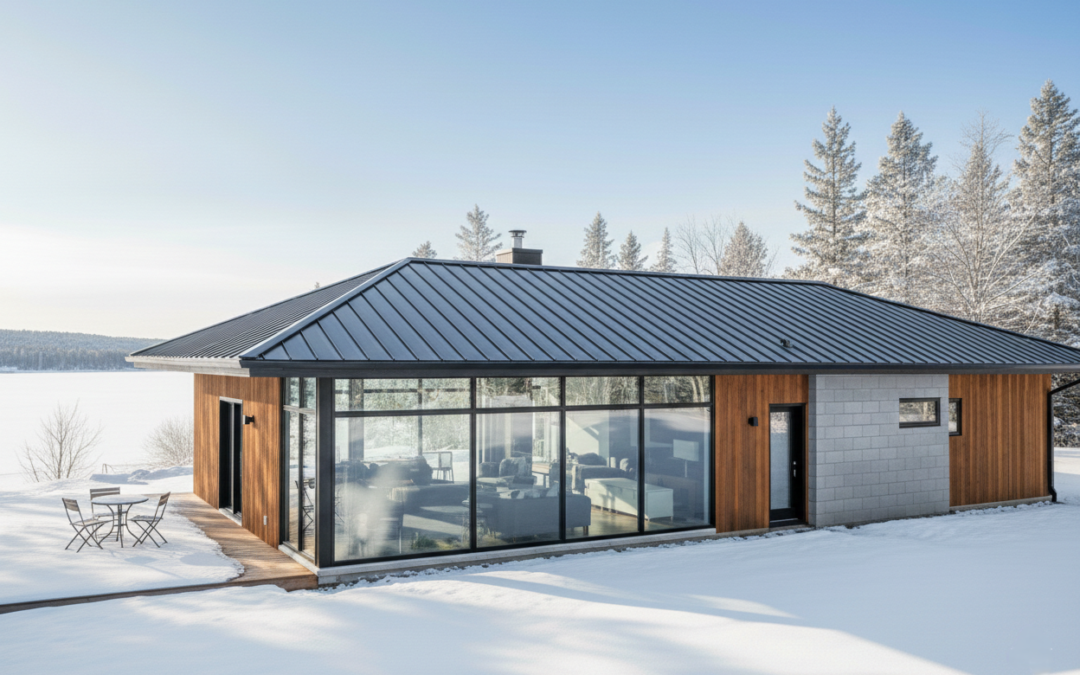
Metal roofing’s smooth surface, one of its advantages for shedding debris and preventing ice dam formation, creates an inherent risk during winter months. Unlike textured asphalt shingles that grip snow, metal panels allow accumulated snow to slide off in sheets.
These sudden releases, commonly called roof avalanches, occur when the bond between snow and the roof surface weakens, typically during temperature increases or when solar radiation warms the panels. In Lanark County, our sunny winter days following heavy snowfall create ideal conditions for this phenomenon.
The consequences of uncontrolled snow release include damage to landscaping, vehicles, and outdoor equipment parked below roof edges. More concerning is the safety risk to people walking beneath eaves when several hundred kilograms of compacted snow releases without warning.
How Snow Guards Work
Snow guards function by breaking up sliding snow masses into smaller, less damaging portions or by holding snow in place until it melts gradually. They attach directly to the roof surface and create friction points that interrupt the sliding action.
The basic physics is straightforward: snow guards reduce the momentum of sliding snow by either stopping it entirely or fragmenting it into smaller pieces that fall harmlessly. Properly designed systems account for roof pitch, expected snow loads, and local climate conditions.
Types of Snow Guard Systems
Several snow guard configurations suit different applications and aesthetic preferences. Lanark homeowners should understand the options available for their specific roof type.
Pad-Style Snow Guards
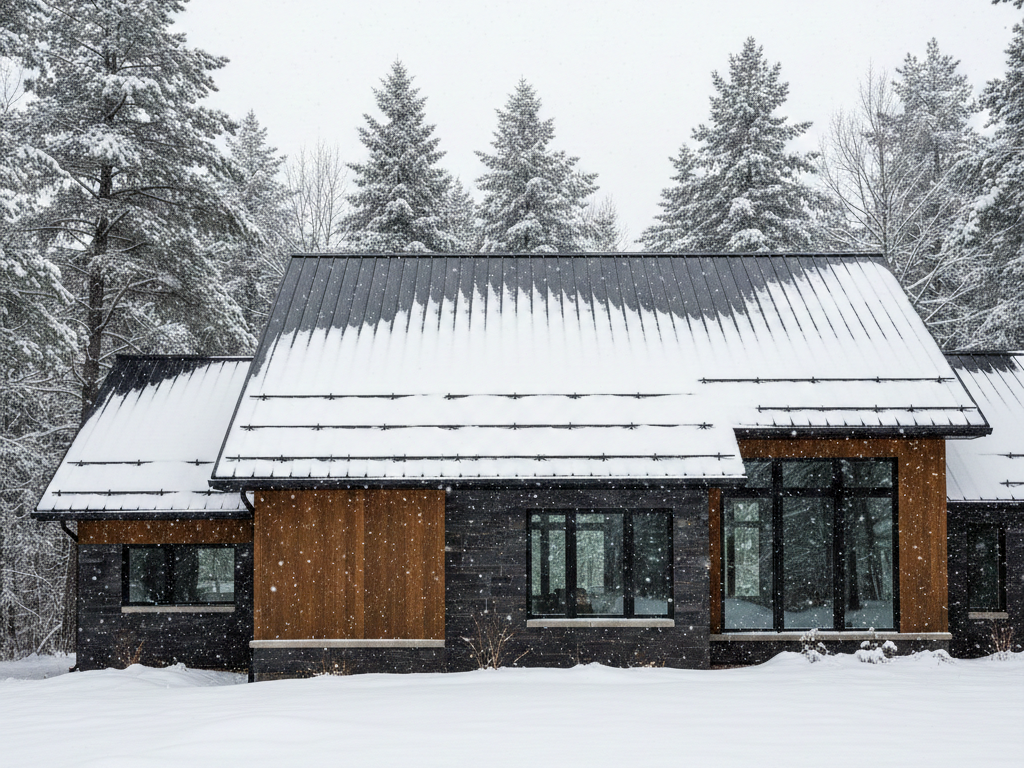
Individual pad-style guards mount in staggered patterns across the roof surface. These small, discrete units work by creating multiple friction points that slow and fragment sliding snow. Pad-style systems suit most residential applications and offer flexibility in placement density based on roof characteristics.
Installation typically follows specific spacing guidelines based on roof pitch and expected snow loads. Steeper roofs and areas with heavier snowfall require more guards per square metre.
Rail-Style Snow Guards
Continuous rail systems mount horizontally across the roof, creating barriers that hold snow in place until it melts. Rail systems provide more robust retention than pad-style guards and suit applications where complete snow retention is preferred over controlled release.
Rail systems require careful engineering to handle the substantial loads that accumulate against them during heavy snowfall. Improper installation can result in system failure when stressed beyond capacity.
Fence-Style Snow Guards
Fence or pipe-style systems combine the benefits of both approaches, using horizontal tubes or bars supported by brackets at regular intervals. These systems allow some snow to filter through while retaining the bulk of accumulation for gradual melting.
Commercial applications often favour fence-style systems for their capacity to handle heavy snow loads on large roof areas.
Material Considerations for Lanark’s Climate
Snow guard materials must withstand not only snow loads but also Lanark County’s demanding temperature cycling and corrosive winter road salt that wind carries onto roof surfaces.
Stainless steel snow guards offer superior corrosion resistance and strength, making them ideal for long-term performance. Powder-coated aluminum provides a lighter, more economical alternative with good durability when properly finished.
Polycarbonate plastic guards cost less but may become brittle over time with UV exposure and temperature extremes. For installations expected to last the life of a metal roof, metal snow guards represent the wiser investment.
Colour matching matters for visible installations. Most manufacturers offer snow guards in colours that coordinate with popular steel roofing finishes, maintaining aesthetic appeal while providing functional protection.
Proper Placement Strategies
Effective snow guard installation requires more than simply attaching guards to the roof surface. Strategic placement ensures optimal performance without creating new problems.
Guards should be positioned in areas where sliding snow poses the greatest risk: above entrances, walkways, driveways, patios, and anywhere people regularly pass beneath eaves. Lower sections of long roof runs also benefit from additional guards to handle accumulated snow sliding from above.
On complex roofs, valleys and areas below dormers require particular attention. Snow accumulates differently in these locations and may release unpredictably without adequate protection.
The first row of guards typically mounts near the eave edge, with additional rows installed up the roof slope for complete coverage. Spacing between rows varies with roof pitch—steeper roofs require closer row spacing to manage sliding forces effectively.
Installation Methods and Concerns
Proper attachment is critical for snow guard performance. Improperly installed guards can tear loose under heavy loads, potentially causing more damage than having no guards at all.
For standing seam metal roofs, clamp-style brackets that grip the seams without penetrating the roof surface offer the cleanest installation. These brackets rely on mechanical clamping force and avoid creating potential leak points.
Screw-down installation on ribbed or corrugated metal roofing requires careful attention to roof penetration best practices. Each fastener point must be properly sealed to prevent water intrusion, and guards should attach through the flat portions of panels, not the raised ribs.
Professional installation ensures proper load calculations, appropriate fastener selection, and correct sealant application. DIY installation may save money initially but risks system failure or roof damage if done incorrectly.
Maintenance Requirements
Snow guard systems require minimal maintenance but should be included in regular roof inspection routines.
Check attachment points annually, particularly after heavy snow seasons. Any guards showing movement or loosening need immediate attention before the next snow event.
Clear debris accumulation around guards during autumn to prevent moisture retention that could promote corrosion or ice formation at the base of guards.
Inspect sealant around penetrations for screw-down installations. Proper ventilation helps prevent ice formation from below, but sealant integrity remains the primary water barrier.
Cost-Benefit Analysis for Lanark Homeowners
Investing in snow guards involves weighing installation costs against potential damage and liability risks. For most Lanark County homes with metal roofs, the calculation favours protection.
A single incident involving vehicle damage, injured pedestrians, or destroyed landscaping can easily exceed the cost of comprehensive snow guard installation. Insurance may not cover all damages, and liability exposure creates ongoing risk.
Beyond damage prevention, snow guards extend the usable outdoor space during winter months. Homeowners can safely access decks, walkways, and entries without constantly monitoring for potential roof avalanches.
Making the Right Choice
Lanark County homeowners with metal roofs should consider snow guards essential rather than optional. The combination of our significant snowfall, variable winter temperatures, and smooth metal roof surfaces creates conditions where uncontrolled snow release is virtually inevitable.
Consulting with an experienced local roofing contractor ensures appropriate system selection and professional installation. The investment provides decades of protection for your property, your family, and anyone else who might walk beneath your roof eaves during winter.